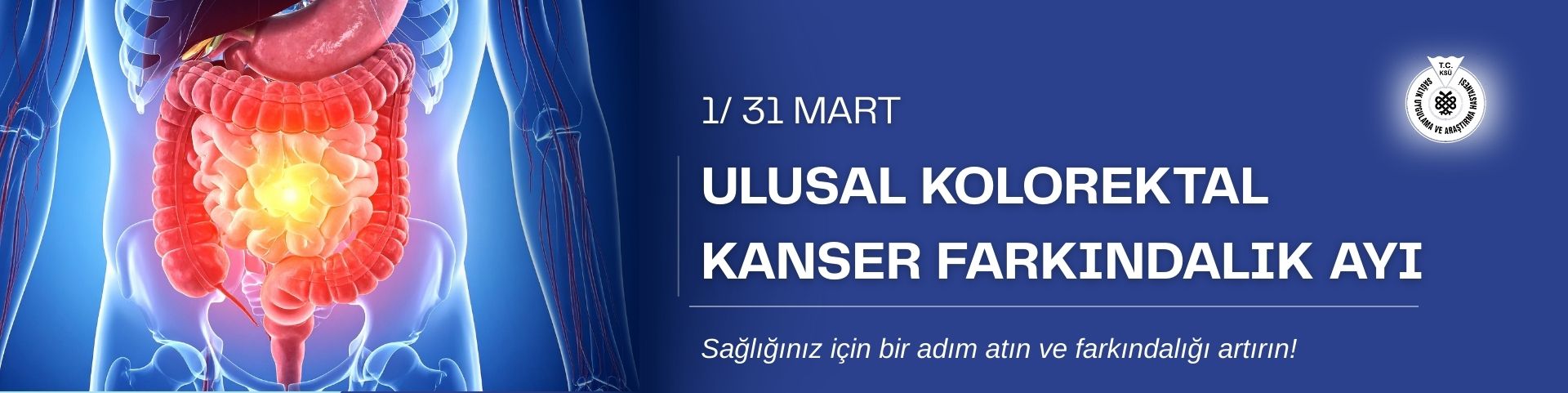
Cancer is a disease that results from the uncontrolled and abnormal multiplication of cells in the body. Under normal conditions, cells grow, divide, and complete their functions in a programmed manner. However, cancer cells disrupt this order; they multiply uncontrollably, damaging surrounding tissues.
These abnormal cells can accumulate over time to form a tumor. Tumors can be benign or malignant.
It can be benign (malignant). Benign tumors generally do not spread to surrounding tissues, while malignant tumors do.
It can invade tissues and spread to other parts of the body via the blood or lymph, causing metastasis.
Cancer can cause serious health problems and life-threatening conditions by disrupting the functions of the tissues and organs it spreads to. However, the success rate of treatment is significantly higher in cancers diagnosed in the early stages. Therefore, early diagnosis and regular screening programs are of vital importance.
Globally, cancer is the second leading cause of death after cardiovascular disease. This indicates that cancer is a significant and priority public health problem on a global scale.
Cancer, a significant public health problem, is further emphasized from a public health perspective due to its high mortality rate and social impact (widespread losses within families and communities), high treatment costs, low chances of successful treatment if not diagnosed early, and the resulting reduction in quality of life.
The colon is a tube-shaped organ that begins at the end of the small intestine and ends at the anus.
Colorectal cancer is a general term for cancers that originate in the tissue of the colon or rectum. It develops as a result of the uncontrolled proliferation of intestinal cells; in advanced stages, it can spread to surrounding tissues and other parts of the body.
The colon and rectum are organs frequently involved in precancerous lesions (especially polyps) and can be evaluated using endoscopic methods. Therefore, colorectal cancer is among the types of cancer that can be prevented before development and detected in the early stages. Since polyps and early-stage cancers often do not show symptoms, screening programs are vital. Through screening, polyps that have not turned into cancer are detected, reducing the risk of cancer, and early diagnosis increases the success of treatment. Colorectal cancer is included in the national cancer screening program conducted in our country.
Globally, approximately 1.9 million new cases are reported each year, and more than 900,000 people die. In Türkiye, approximately 20,000 new cases are detected annually, and around 8,000 people lose their lives due to this disease.
Colorectal Cancer Risk Factors:
The symptoms that may be observed generally include the following:
to feel
These symptoms can also be seen in other bowel diseases; not every symptom indicates cancer.
In our country, according to the "National Standards for Colorectal Cancer Screening," screening is performed every two years using a fecal occult blood test kit, which is quick, practical, and reliable. As part of this screening, it is also recommended that individuals in this age group undergo a colonoscopy every ten years. Screening should be discontinued for men and women aged 70 and over whose last two fecal occult blood tests have been negative.
These scans are FREE:
Training Centers (KETEM)
Maintain your normal body weight.,
“"Early Detection of Cancer Saves Lives" "Get Screened, Prevent Cancer"”